


Certifikace tantrické masáže: Co skutečně znamená a kde najít důvěryhodné školení
When you hear certifikace tantrické masáže, formální uznání způsobu, jakým masér nebo masérka ovládá techniky spojující tělo, dech a přítomnost. Also known as tantrická terapie, it is not about sex—it’s about reconnecting with your body in a way that releases tension, unlocks emotions, and brings deep calm. Many people think getting a certificate means they’re now qualified to teach or offer authentic sessions. But the truth? Most certificates you see online are bought for 500 korun and printed at the local copy shop. Real certification isn’t about a piece of paper—it’s about years of practice, supervision, and understanding the body as a living map of stored emotions.
True tantric training doesn’t focus on strokes or techniques alone. It teaches you how to hold space—for yourself and for the client. You learn to read breathing patterns, notice micro-tensions in the shoulders, and respond with presence, not pressure. This is why tantrická masáž, praktika, která vychází z východních tradic, ale byla přizpůsobena moderní psychologii a tělesné terapii requires more than weekend workshops. It demands emotional maturity, ethical boundaries, and deep knowledge of somatic work. That’s why the best practitioners train under mentors who themselves were trained by people who’ve done hundreds of sessions—not just read a book.
Don’t confuse duchovní masáž, metoda, která využívá dotek jako cestu k vnitřnímu klidu a sebepoznání, ne jako prostředek k erotickému vybuzení with massage that just uses incense and soft music. Spiritual touch isn’t about creating a mystical vibe—it’s about stripping away distractions so the body can speak. If a course promises you’ll become a tantric master in three days, walk away. Real growth happens slowly, in silence, between sessions, when you’re reflecting on what your client didn’t say but their body did.
And what about masážní výuka, systematický proces, který zahrnuje teorii, praktické cvičení, supervision a etické výchovné aspekty? The best programs include anatomy, trauma awareness, consent protocols, and shadow work. They don’t just teach how to touch—they teach how to listen. That’s why practitioners who went through proper training can spot when someone is holding onto grief in their hips or shame in their pelvis. They don’t fix it. They create the safety for the body to release it on its own.
You’ll find plenty of ads online promising instant certification, luxury retreats, or even online courses with certificates you can download. But if you’re serious—whether you want to become a practitioner or simply choose the right one—look for credentials tied to real experience. Who trained them? How many hours did they log? Did they work under supervision? Did they deal with trauma survivors? These questions matter more than the logo on their certificate.
The posts below aren’t about selling you a diploma. They’re about showing you what real tantric work looks like—the quiet moments, the breathwork, the ethical boundaries, the science behind why touch heals. You’ll find guides on how to recognize authentic teachers, what to expect in a session, and why most so-called tantric massage studios are just fancy erotic services with candlelight. There’s a difference. And once you know it, you’ll never settle for less.
Certifikace v tantrické masáži: Co musíte znát, abyste pracovali legálně a úspěšně
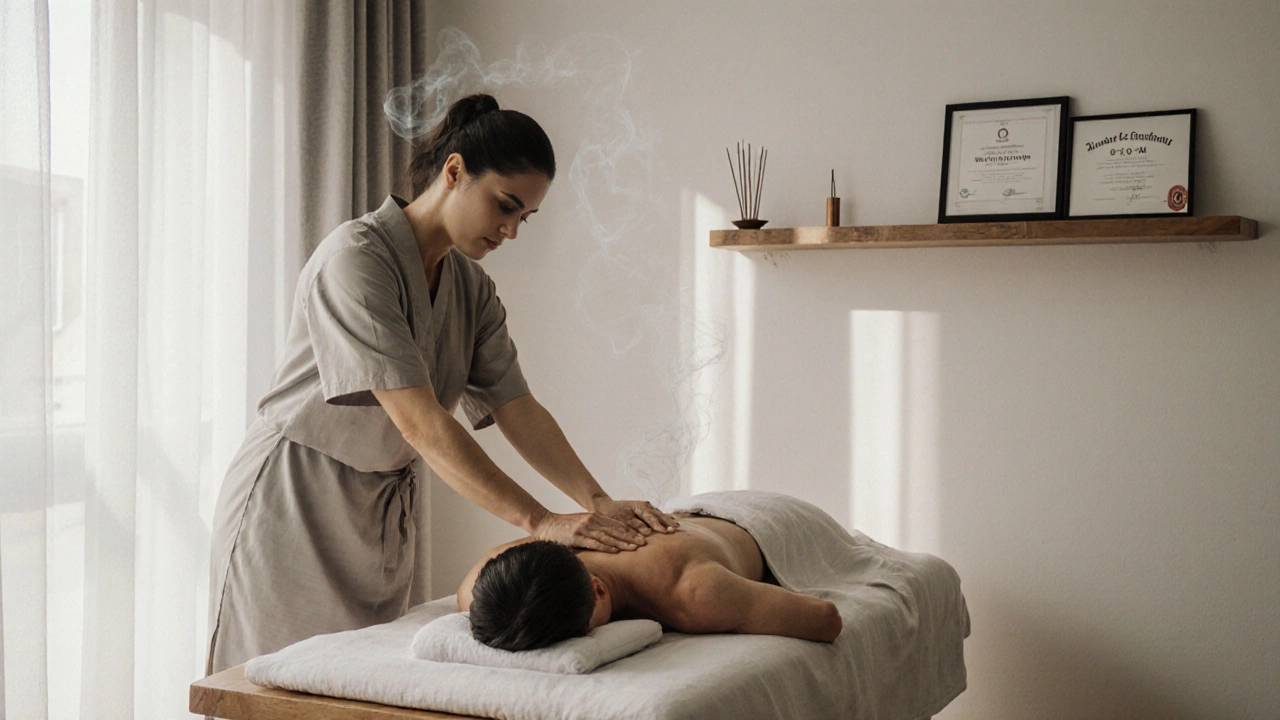
Certifikace v tantrické masáži v ČR není samostatným povolením - bez kvalifikace 69-037-M jste nelegální. Zjistěte, co musíte udělat, abyste mohli pracovat legálně a vydělávat více.